
Unlocking the Secrets of Consumer Behavior in the Cannabis Industry
The cannabis industry has evolved far beyond outdated stereotypes. Today’s consumers are diverse, intentional, and increasingly informed, and their expectations are shaping how brands must show up in the market.
For cannabis businesses, understanding consumer behavior isn’t a “nice to have.” It’s essential for building trust, driving loyalty, and standing out in a competitive, highly regulated landscape. From why people use cannabis to how they shop and what influences their purchasing decisions, consumer behavior offers critical insight into what actually moves the needle.
Here’s a closer look at how cannabis consumers think, shop, and choose—and what it means for brands navigating this fast-changing industry.
Why Consumers Use Cannabis: Motivations Matter
Cannabis consumers are not a single, uniform audience. Their purchasing decisions are shaped by different goals, needs, and use cases. Today, the most common motivations include:
- Relaxation and stress relief, now one of the top stated reasons for use
- Wellness and self-care, including sleep support, anxiety management, pain relief, and mood regulation
- Recreation and social use, particularly among younger adults using cannabis as an alcohol alternative
- Medical relief, where reliability, consistency, and lab-tested products are critical
Many consumers view cannabis less as a “drug” and more as a functional tool—something they use intentionally to unwind, focus, sleep better, socialize, or manage symptoms. Brands that clearly communicate what a product helps someone do tend to resonate more strongly than those relying on vague strain names or hype-driven messaging.
Key Cannabis Consumer Segments
While motivations vary, cannabis users often fall into a few consistent behavioral segments.
Wellness Seekers
These consumers prioritize health-forward messaging, clear dosing, and non-smoked formats like edibles, tinctures, and topicals. Transparency, clean ingredients, and trust signals matter deeply.
Social & Occasional Users
Using cannabis once or twice a month, this group values convenience, approachability, and strong branding. They often rely on recommendations and prefer familiar formats like gummies, pre-rolls, and beverages.
Regular & Daily Users
Frequent consumers care about potency, consistency, and value. They’re more likely to compare price per gram or milligram and may purchase in larger quantities.
Medical Consumers
Medical users are highly outcome-driven. Once they find products that work, loyalty is strong. Lab testing, predictable effects, and retailer trust play a major role in retention.
Age also plays a role. Millennials and Gen Z account for the majority of cannabis spending and are more open to new formats and experiences. Gen X often blends wellness and recreational use, while older adults tend to favor low-dose, discreet options with clear health benefits.
Product Preferences and Format Trends
How consumers choose cannabis products is closely tied to convenience, discretion, and perceived health impact.
- Flower and pre-rolls remain category leaders, especially among experienced users
- Edibles appeal to newer, wellness-focused, and older consumers seeking smoke-free options
- Vapes attract younger, on-the-go users who want a fast onset without combustion
- Beverages and novel formats are growing as alcohol-replacement and wellness-friendly options
As the market matures, consumers are paying closer attention to THC and CBD levels, minor cannabinoids, terpene profiles, and lab results—using these details as quality and effect cues rather than relying solely on strain names.
Price Sensitivity and Perceived Quality
Cannabis shoppers don’t all think about price the same way. Some optimize for value, others willingly pay more for trusted brands, consistent effects, or premium experiences—and many move between those mindsets depending on the occasion. Key quality signals include:
- Third-party lab testing and COAs
- Consistent effects and reliable dosing
- Flavor, terpene profile, and freshness
- Professional packaging and brand reputation
For frequent and medical consumers, demand is often less sensitive to price increases. Instead of cutting consumption, they may trade down between tiers, making brand trust and clear value communication especially important.
The Modern Cannabis Shopping Journey
Cannabis shopping is now overwhelmingly digital-first. Most consumers begin online—browsing menus, comparing prices, checking inventory, and reading reviews before ever stepping into a store. Even in-store purchases are often influenced by online discovery.
At the same time, budtenders remain one of the most influential touchpoints in the entire journey. Many consumers rely on staff like pharmacists or sommeliers, especially when navigating new products or specific outcomes.
For brands and retailers, this means success depends on both strong digital presence and clear, easy-to-understand product education.
Brand Loyalty in a Crowded Market
Cannabis loyalty is shifting away from strain names and toward brands and retailers.
Medical and wellness consumers tend to develop strong brand loyalty once they find products that work. Loyalty programs, personalized recommendations, and consistent experiences all play a role in retention, especially as new brands continue to flood the market.
At the same time, experimentation remains high. Brands that combine education, trust, and compelling storytelling are best positioned to earn repeat business.
What This Means for Cannabis Brands
Understanding consumer behavior in the cannabis industry allows brands to move beyond surface-level marketing and build meaningful connections. The most successful cannabis marketing strategies are grounded in real consumer needs—clear use cases, transparency, convenience, and trust.
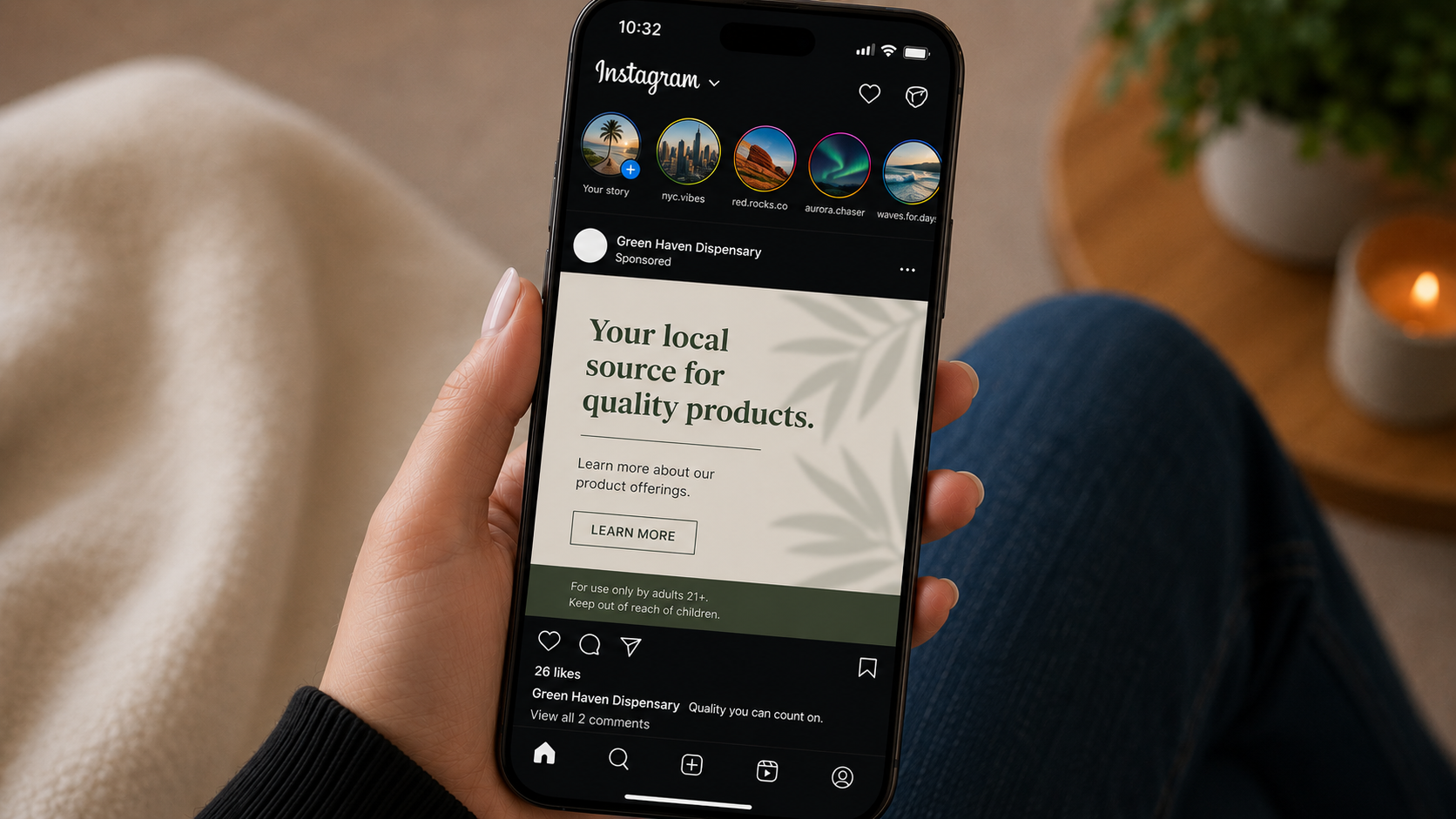
It’s important to note that as the cannabis industry continues to mature, it’s important for brands to balance education and accessibility with regulatory compliance. In most U.S. states where recreational cannabis is legal, consumers must be at least 21 years old to purchase cannabis products.
Build Smarter Cannabis Marketing with Herban Creative
As a full-service cannabis marketing agency, Herban Creative helps brands translate these insights into compliant, effective digital marketing strategies that drive visibility, credibility, and growth in a rapidly expanding market. Because when you understand how cannabis consumers think, shop, and choose, you don’t just reach them—you stay relevant. Connect with our team today!
Hit Us Up!
We Provide a consultative first meeting without the pressure to sign.